Coroner’s Findings Highlight Importance of Navigation Tools
Media Release
NZ Mountain Safety Council (MSC) says the coroner’s findings into the tragic death of Rebecca Woolley in Arthur’s Pass National Park highlights the importance of going fully prepared for all outdoor trips, including taking navigation tools, even for day walks.
In the findings released on Wednesday 12 August 2026, Coroner Alexandra Cunninghame found the 37-year-old from Christchurch died from hypothermia with a contributing spinal fracture near Mount Aicken Track on 30 October 2021. She found the death was the result of an accident after Rebecca became lost and was unable to find the marked track back.
MSC, which was consulted during the coronial process and invited to comment on the draft recommendations, welcomes the findings.
“This heartbreaking event provides valuable lessons for anyone heading into the outdoors about navigation and what to do if things go wrong,” says MSC Chief Executive Mike Daisley.
“Even on a short trip, it’s important to carry the right navigation tools, whether that’s a map and compass or a topo mapping app on your phone. If you become lost or can’t find the way back, the safest option is to stay where you are and call for help, rather than continuing onwards into unfamiliar terrain where you could be exposed to greater risks.”
Following the New Zealand Land Safety Code is also essential for any trip.
“The Land Safety Code is a simple five-point checklist that helps people make good decisions before and during their trip. By following these simple steps, many outdoor incidents could be prevented,” says Daisley.
Developed by outdoor organisations, including MSC, the Department of Conservation (DOC), and Land Search and Rescue, the code covers choosing the right trip, understanding the weather, packing warm clothes and extra food, sharing trip plans and carrying a reliable communications device.
Circumstances of the incident
In her findings, Coroner Cunninghame examines the circumstances leading up to the fatality and includes recommendations for preventing similar incidents in the future.
Rebecca, who was an experienced day walker and multi-day tramper, had set out in fine weather on a day walk with a friend. They had planned to walk Cons Track, but when they could not find the start, decided to walk Mount Aicken Track instead. Neither had been on the track before.
For the trip, Rebecca had her mobile phone, an emergency blanket and a beanie. She did not have extra food or warm clothes. Neither she nor her friend had a map or compass, or GPS device, or a personal locator beacon (PLB).
Mount Aicken Track leads to remote alpine areas, gaining 600 vertical metres over 1.7 km before ending at the bushline. Above the bushline there is no marked route. Unmarked routes are recommended for experienced alpine trampers or mountaineers only, and people are advised to carry a compass and map for navigation. There are four marker poles and three large triangle markers at key decision-making points in this area. Following a 2006 death on the track, DOC had installed two of the triangle markers.
At around 3 pm the pair reached the bushline and shortly after started up the unmarked route into alpine terrain. At this point, Rebecca’s friend decided to turn back and wait at the bushline due to a sore leg, while Rebecca planned to continue for 30 minutes. At around 3.40 pm, Rebecca sent a text message saying she had taken a wrong turn but could see the road and would make her way back to the carpark.
When Rebecca had not returned to the carpark by 7.35 pm, her friend called for help. By that time the weather had deteriorated with rain and a significant drop in temperature.
A full search and rescue operation began the next day, and Rebecca’s body was found in difficult terrain about 700 m to the south of the track near Graham Stream.
Since Rebecca’s death, DOC has updated its track webpage, and information about the terrain and weather have been strengthened.
NZ Mountain Safety Council extends its sincere condolences to the whānau and friends of Rebecca Woolley.
Recommendations
Based on the evidence and contributing factors identified in the enquiry, Coroner Cunninghame endorsed the following recommendations made by MSC for anyone undertaking or planning to undertake tramps or day walks in Aotearoa New Zealand:
- Carry appropriate navigation tools and ensure you know how to use them before entering unmarked terrain.
- If you become lost, avoid committing to unfamiliar terrain in an attempt to self-correct. Stop, assess the situation, and seek assistance early while communication options remain available.
Coroner Cunninghame also endorsed the additional safety messaging in the New Zealand Land Safety Code, as recommended by MSC.
New Zealand Land Safety Code
- Choose the right trip for you: Understand the nature of a route before departure and ensuring that all members of a party have the skills and equipment required for the terrain they intend to enter.
- Understand the weather: Consider not only forecast conditions but also how changes in weather may affect navigation, visibility, temperature, and the ability to self-rescue.
- Pack warm clothes and extra food: Even on day trips, trampers should carry warm and waterproof clothing, emergency shelter, food, and water sufficient to cope with unexpected delays, injury, or a night outdoors. An outing intended to last only a few hours can quickly become a survival situation when something goes wrong.
- Share your plans and take ways to get help: Carry reliable means of emergency communication and ensure devices remain usable throughout the trip. Tell a trusted person where you are going and when you expect to return.
- Take care of yourself and each other: Maintain awareness of one another's wellbeing, stay together where practical, and regularly reassess conditions and decisions.
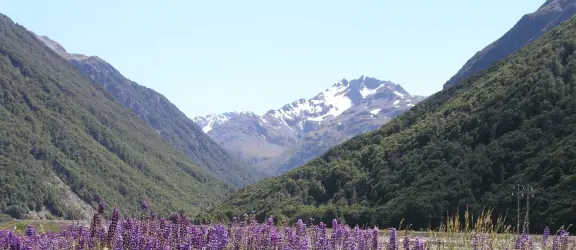
PHOTO CREDIT | Pixabay | Mount Aicken
Last edited: August 2026