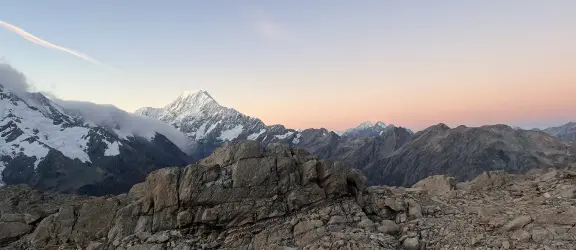
Aoraki/Mount Cook Tragedy Highlights Serious Alpine Dangers
Media Release
NZ Mountain Safety Council (MSC) is reminding anyone heading into Aotearoa New Zealand’s alpine to thoroughly plan and prepare for the unique conditions, following news that the missing climbers on Aoraki/Mount Cook are not believed to be alive.
Police say search teams found evidence that the climbers had been caught in a large ice fall avalanche and believe it was not survivable. The climbers were reported overdue on Monday morning from their attempt of New Zealand’s highest peak.
MSC Chief Executive Mike Daisley says this is a tragic outcome and it is a harsh reminder that New Zealand’s alpine should never be underestimated.
“Aoraki represents some of the country’s most complex and challenging alpine terrain. There is no margin for error when climbing in this environment and the consequences of a mistake are often severe,” says Daisley.
Before heading into the mountains, particularly Aoraki/Mount Cook, Daisley says it is critical to ensure your skills and experience are well matched to the route, and the weather and snow conditions are suitable for the trip.
For anyone unfamiliar with the area, especially international climbers coming to New Zealand for the first time, MSC recommends undertaking detailed research into New Zealand’s unique conditions.
“While our tallest peaks may not be considered overly high by international standards, our alpine areas present a mixture of some of the most challenging terrain, weather, conditions and access found anywhere in the world,” says Daisley. “These factors must be considered when planning a trip in New Zealand, especially for visitors who don’t have prior experience climbing here.”
MSC suggests using a qualified local guide or starting on low-grade, easier objectives before moving to more challenging routes, such as Aoraki/Mount Cook.
Climbers planning a trip in Aoraki/Mount Cook National Park this summer should always check the avalanche forecast on the NZ Avalanche Advisory during their preparation and again before heading out. The avalanche forecast operates year-round in this region. Additionally, they must have a comprehensive knowledge of the weather systems and the specific mountain weather forecast for the dates of their trip.
Since 2008, when comprehensive records began, there have been six fatalities on guided climbs on Aoraki/Mount Cook and seven on recreational climbs. This does not include the latest two fatalities.
PHOTO CREDIT | Cam Booker, Plan My Walk User - Aoraki/Mount Cook
Last edited: December 2025