New Safety Series Explores Mental Shortcuts in the Outdoors
Media Release
NZ Mountain Safety Council (MSC) has launched a new safety video series that explores mental shortcuts – or heuristic traps – a common factor in outdoor safety incidents.
Our insights show that heuristic traps contribute to many serious safety incidents in the outdoors. Understanding what these traps are and how to avoid them is an essential part of keeping safe on outdoor adventures.– says MSC Chief Executive Mike Daisley.
Mental Shortcuts in the Outdoors is a new six-part series, available free on YouTube, examining the six primary traps commonly seen in outdoor safety incidents: familiarity, social proof, scarcity, expert halo, commitment and conformity.
“Mental shortcuts are the subconscious actions or decisions that people make every day that allow us to complete tasks on autopilot. These can save us time and energy, and don’t usually cause any problems,” says Daisley. "But in high-risk, often harsh, unforgiving environments, such as Aotearoa New Zealand’s outdoors, defaulting to mental shortcuts can lead to poor decision-making and unnecessary risks."
The video series features footage from a broad range of activities, including hiking and tramping, hunting, mountaineering, backcountry snow sports, and adventure racing.
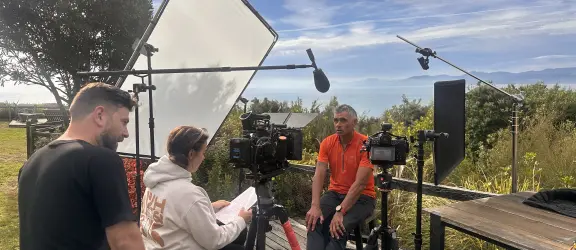
Each video includes experts from different outdoor disciplines who share their personal experiences and safety advice. Behavioural scientist Lindsey Horne from The Research Agency narrates the series, providing expert insights into each behaviour.
“Many people aren’t aware of the mental traps they can fall into in the outdoors,” says Daisley. “We believe this series is a valuable resource because it will help people better understand these shortcuts and the influence they can have on our decision-making. By learning to recognise these traps, people can make better decisions and have safer outdoor adventures.”
NZ Mountain Safety Council thanks everyone who helped create this series: Walsh & Beck, Lindsey Horne and The Research Agency, and the people who shared their stories and expertise, including Elke Braun-Elwert, Dave Shaw, Dee and Thomas Gerlach, Gavin Lang, Jordy Hendrikx and Nathan Fa’avae.
Mental Shortcuts in the Outdoors Video Series
Conformity
Ever caught yourself going with the flow or agreeing to decisions that made you uncomfortable to avoid conflict? This is known as the conformity mindset. In the outdoors this trap can lead to unnecessary risk. This video identifies ways you can fall into the conformity mindset and provides practical tips to avoid this trap.
Scarcity
Have you ever experienced FOMO? The fear of missing out, or the scarcity mindset, can lead to spontaneous decisions, but in the outdoors, it can cloud your judgement, leading to unnecessary risks. This video explores scarcity and provides practical tips to avoid this trap.
Social Proof
Ever seen someone else doing something and thought, If they’re doing it, it must be safe? This is known as social proof and involves making decisions based on what we see others doing, rather than making our own assessment of the situation. This video explores social proof and provides practical tips to avoid this trap.
Familiarity
Tramping the same route, skiing the same line or hunting the same block sounds like a good idea. Humans are creatures of habit. We like repeatable, comfortable patterns, but in the outdoors, relying on past experiences or going on autopilot can put us at greater risk. This video explores familiarity and provides practical tips to avoid this trap.
Expert Halo
It's natural to be influenced by others, but the loudest or most confident person can easily be mistaken for the expert in a group. In the outdoors, following someone who is the perceived expert can lead to unnecessary risks. This video explores the expert halo mindset and provides practical tips to avoid this trap.
Commitment
In the outdoors, commitment can mean continuing your journey because of the time, energy and money you’ve invested, or because you’re determined to reach your goal. The stronger the commitment to the goal or objective, the harder it can be to turn around, leading to unnecessary risks. This video explores commitment and provides practical tips to avoid this trap.
Last edited: September 2026