Big Game Hunting
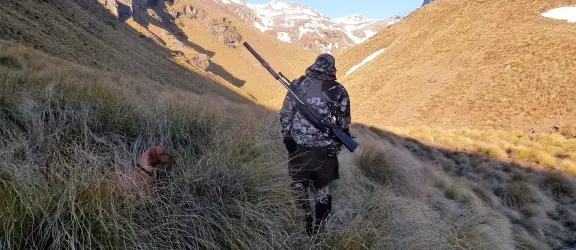
Big game hunting makes up the largest group of hunters in Aotearoa New Zealand. This hunting type covers medium to large game animals, such as goats and including all deer species (red, sambar, sika, fallow, whitetail, wapiti and rusa). These animals are found in a range of environments below or near the treeline, including semi-open farmland, river flats and dense bush. The highlight of the big game hunting calendar is the Roar, the mating season for red deer during March and April.
How to Prepare for Your Hunt
Thorough planning will ensure you have a safe and enjoyable hunt. Here are some practical tips to help you prepare effectively.
Plan your trip:
- Where you’ll go
- The distance you’ll cover
- Who you’ll go with
- What you’ll need to take
- How fit you’ll need to be.
- What you’ll do if something doesn’t go to plan.
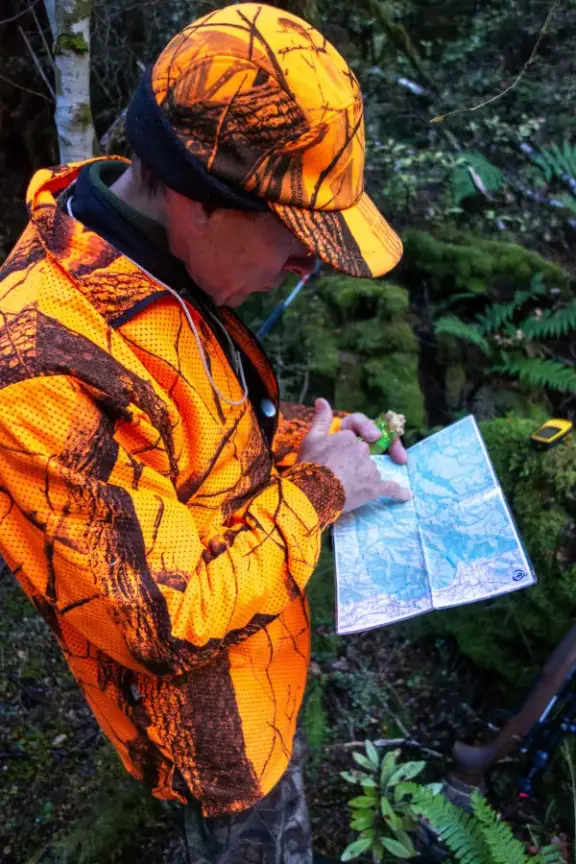
Research your hunting route: Find out as much as you can about the route and area you’ll hunt in, including descents and other challenging terrain, like bluffs or gullies.
Check your gear: Make sure your gear is in working order. Repair or replace any items now.
Build a plan B: Plan your exit routes and decide what your group will do in an emergency, for example if someone gets injured or the weather packs in. You’ll need to take a suitable communications device in case you need to call for help.
Check in with your mates: Talk to your hunting party and make sure everyone knows the plan and is getting prepared.
Get physically prepared: Do some training so you’re suitably fit for the trip.
How to Get Hunt Fit
Exercise to-dos
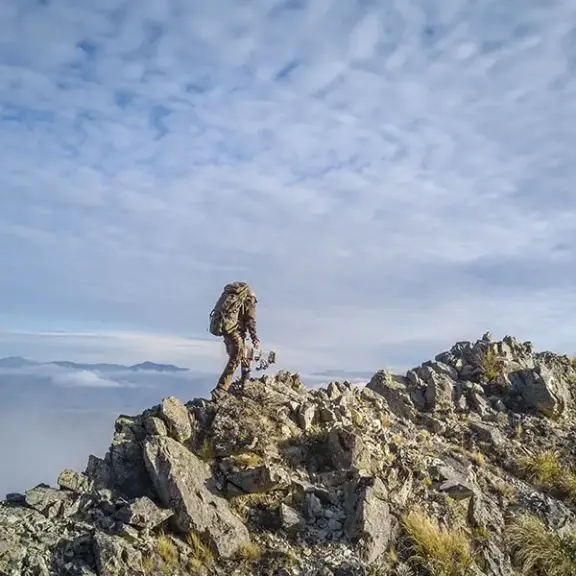
On Your Hunt
Discuss your plan: Before you head out, make sure everyone in the hunting party knows the day’s plan.
Watch the weather: Check the weather forecast and any watches or warnings, and keep an eye on the conditions during your hunt. To get the latest weather updates, sign up to Plan My Walk.
Pack the essentials: Always take a rain jacket, warm layers, a beanie and gloves, an emergency shelter, a first aid kit, a head torch, and a distress beacon such as a PLB.
Know your limits: If you’re feeling fatigued, either physically or mentally, take a break, reassess the situation and check in with your group. Your top priority is always getting everyone home safe.
Take care of yourself and others: Eat, drink and rest regularly, stick with your group, and make key decisions together.
ID Your Hunting Target Beyond All Doubt
Regardless of your level of hunting skill and experience, you must always identify your target beyond all doubt. Failing to do so could have devastating consequences.
Remember, movement, colour, sound and shape can be deceptive. Wearing high-visibility clothing, such as blaze, that contrasts with the environment, is an essential safety measure that will help you stand out from the environment and identify yourself as a person.
Always follow these guidelines before taking aim:
- Know where your hunting party members are. Consider: Could the sound, shape, colour or movement be a person?
- Assume that any colour, shape, sound or movement is human until confirmed otherwise.
- Never aim at a sound, shape, colour or movement until you have identified beyond all doubt that it is not a person.
- Stop and ask yourself: Is this a person?
- Ask yourself: Is this the species I’m hunting? Is it a stag or hind? How old is it?
- Double-check before taking aim: Is this definitely not a person?
- Only take aim once you have identified beyond all doubt that it is not a person.

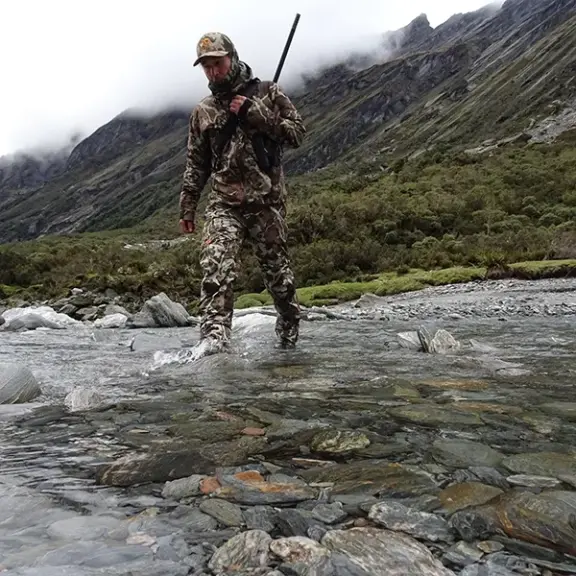
Always Follow the 7 Firearms Safety Rules
- Treat every firearm as loaded.
- Always point firearms in a safe direction.
- Chamber a cartridge only when ready to fire.
- Identify your target beyond all doubt.
- Check your firing zone.
- Store and transport firearms and ammunition safely.
- Avoid alcohol or drugs when handling firearms.
See our Firearms Safety page for more info.
Last edited: October 2026