Alpine Safety
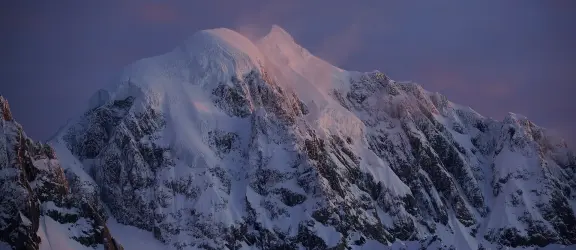
Many tracks in Aotearoa enter alpine terrain. In any season, that means heading into a rugged environment with more extreme conditions, where a small mistake can have big consequences. In winter, alpine tramps become a completely different experience, with the added challenges of persistent cold, ice, snow and avalanches.
When planning a tramp or hunt, research your route to find out whether it enters alpine terrain and plan accordingly.
What is alpine terrain?
Alpine terrain is the environment above the bushline. It is often steeper, with rocky slopes, scree and drop offs. The vegetation is characterised by lower-growing plants, such as native grasses and shrubs. The weather in the alpine is more extreme, with colder temperatures, stronger winds, more rain, and ice and snow at any time of year.
Equipment for Safe Alpine Trips
Alpine tramps and hunts often require specialist skills and equipment, and the knowledge to use them correctly.
Before heading out, take the time to research your route, check current conditions, and seek advice from trusted sources like DOC and alpine or mountaineering clubs. If you're planning to travel in alpine terrain or winter conditions, get the skills before you go from a credited training provider.
In serious alpine terrain when snow and ice are present, you’ll need:
- rigid mountaineering boots with compatible crampons
- a helmet
- an ice axe.
Anchors and a rope may also be necessary if there is a sliding hazard.
If you’re travelling on a well-defined path or track with compacted snow or thin ice, microspikes may be sufficient.
Choosing the right gear: Microspikes vs crampons
While they can look similar, microspikes and crampons are designed for very different situations, and choosing the right one is an important part of planning a safe alpine trip.
To make the right choice, you’ll need to understand the terrain, conditions, and limitations of your equipment.
Microspikes
- Best suited to well-defined paths and tracks covered in compacted snow or thin ice.
- Lightweight, easy to fit over most footwear, and provide extra grip to help reduce the chance of slipping.
- Not designed for steeper or more technical terrain where a slip could have serious consequences.
Crampons
- Designed for use in steeper, more technical mountain terrain.
- Larger spikes provide the grip needed on firm snow and ice
- Require compatible, rigid-soled tramping boots
- Must be paired with an ice axe and helmet, plus the knowledge to use them effectively.
Essential Alpine Skills
Formal, hands-on training from an accredited course provider is essential for safe alpine travel, followed by experience gained in lower consequence terrain. Training will ensure you can make informed decisions about the equipment you need as well as when and how to use it.
Essential skills include:
- choosing the correct equipment for the terrain
- fitting and using crampons
- stopping a slide with an ice axe, called‘self-arrest’
- recognising hazardoussurfaceconditions
- travelling safely on steep terrain
- making good decisions to avoid slipping in icy conditions.
How to Prepare for Avalanche Hazards
If your trip takes you into snowy terrain, you’ll need to check the local avalanche forecast and public observations before you go.
If entering avalanche terrain, carry essential avalanche rescue equipment and know how to use it. This includes:
- avalanche transceiver
- shovel
- probe.
The NZ Avalanche Advisory (NZAA), provided by MSC, forecasts for 13 regions during winter and early spring, plus year-round for Aoraki/Mt Cook National Park. If your tramp or hunt enters one of these areas, the avalanche danger rating will be displayed on Plan My Walk, along with a link to the full avalanche forecast, including current snowpack conditions, travel advice and sliding danger.
You can start your avalanche education with MSC’s free online course. However, to ensure you’ve got the skills needed to navigate avalanche terrain safely, you’ll need to attend an Avalanche Skills Course from an MSC-endorsed provider.
Last edited: October 2026