Alpine Hunting
Essential Preparation and Safety Tips
Alpine environments are unforgiving, with open tops, scree, exposed rock faces, and steep and exposed ridgelines. Even a small mistake can have serious consequences in alpine terrain. That means alpine hunts, although hugely rewarding, require extra planning, preparation, skills and gear.
Research Your Hunting Route
It’s essential to choose a hunting trip that suits the skills and fitness of everyone in your group.
When selecting a route, consider:
- The ability, skills and fitness of everyone going.
- How you will get there and where you’ll stay.
- How you’ll get help if something goes wrong. What emergency communication device will you take?
- How long it will take to complete your route. Will there be enough daylight?
- The terrain. Will there be rivers, bluffs or steep ridgelines? Will you be in avalanche terrain?
Find out as much as you can about the route:
- Plan My Walk is a great place to start your planning. It includes a custom track option that is ideal for hunters.
- Talk to hunters who know the area.
- Look at topo maps to gain insight into the terrain your trip will cover.
- Find out whether you need a hunting permit on the Department of Conservation website.
Seasonal Considerations for Alpine Hunts
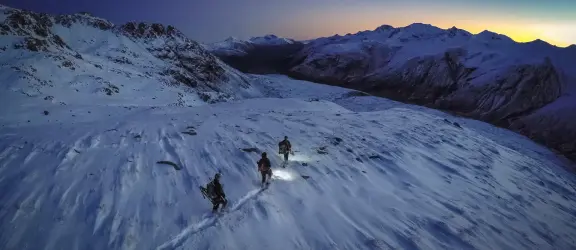
An alpine hunt in winter and spring requires the skills, experience and gear for navigating snow, ice and avalanche danger. Unless you have these, avoid travelling in steep and snowy alpine areas.
What to pack
As well as the basics to keep you safe and comfortable on your hunt, you’ll need:
- Helmet
- Crampons
- Ice Axe
- Essential avalanche rescue equipment – a transceiver, shovel and probe.
Before you go
- Consider the shorter daylight hours when planning your route and that snow can ice over in the evening and become slippery.
- Check the NZ Avalanche Advisory and plan your route to avoid avalanche terrain.
While on your trip
- Keep a critical eye on the weather and changing conditions, and change your plans if you need to.
- Be adaptable and flexible when selecting a route to recover an animal. It may be best to wait until the next day, if daylight is running out.
- Be aware of avalanche terrain when choosing a route and your campsites.
- Use plunge stepping in snow, and poles or ice axes as the snow starts to ice over.
Hunt with a Mate
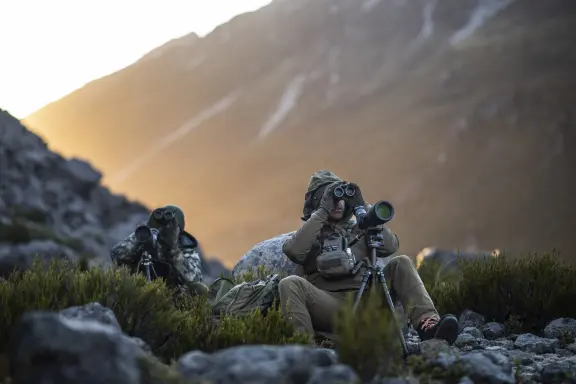
It’s safer to hunt in the alpine with a mate, even if you’re an experienced hunter. It means you can talk through decisions and problem-solve together, and help each other out if things go wrong. If going on a solo trip, give yourself a wider margin of safety, and choose routes that you know are safe.
Whether you’re going alone or in a group, it’s vital to share your trip plan with a trusted contact. Let them know when you're leaving, when you’ll be back, and your starting location, destination and the route you’re taking. If something goes wrong and you’re unable to call for help, your contact can raise the alarm if you don’t arrive back on time.
Find out more about leaving your intentions in our Skills section.
Choose Safe Descent Routes
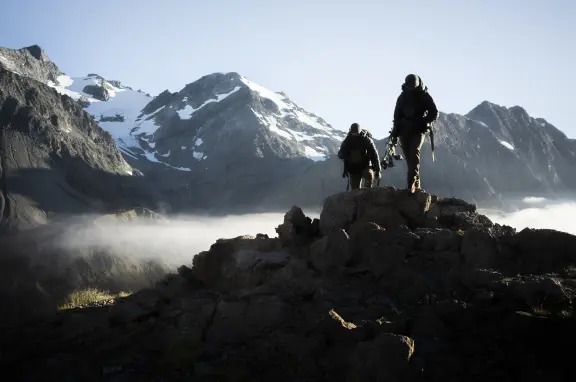
Once you’re committed to a descent route in steep, high consequence terrain, turning back can be difficult, if not impossible. Take time to seek out routes that you know avoid hazards, like steep drop-offs, where a small misstep could result in a treacherous fall.
While it takes time and effort to navigate around difficult terrain, it’s worth it when compared to the severe consequences of a fall. When in doubt, the mountaineer’s credo is sage advice: Only descend routes that you’ve been up first or that you know.
When choosing a route, take into account the additional weight from a successful hunt on your descent.
What People Ask About Alpine Hunting in NZ
Alpine hunting requires advanced outdoor skills, strong fitness, and experience in navigating steep and exposed terrain. You should also be confident with route planning and reading topographical maps. In winter or spring, additional mountaineering skills are essential for travelling safely on snow and ice. Alongside your standard hunting gear, you’ll need a helmet, crampons, ice axe and avalanche rescue gear (transceiver, shovel and probe). Start by choosing a hunting route that matches the skills and fitness of your group. Research the terrain, talk to hunters familiar with the area and check whether you need a hunting permit. Tools like Plan My Walk are excellent for route planning. Always consider seasonal risks such as snow, ice and avalanches. It’s always safer to hunt alpine terrain with a mate. Having a partner means you can make decisions together, assist if someone gets injured and increase overall safety. If you choose to hunt alone, select well-known routes, give yourself a larger margin for safety. Always share your plans with someone before you go.
Partner Resources
-
Better Hunting by Game Animal Council open_in_new
Better Hunting is a free online training platform for hunters, provided by the Game Animal Council. It offers courses covering key hunting theory for safe and successful hunts, useful tools and planning resources.
-
Firearms Safety and Education open_in_new
Firearms licensing, endorsements and permits along with useful resources relating to the use and handling of firearms.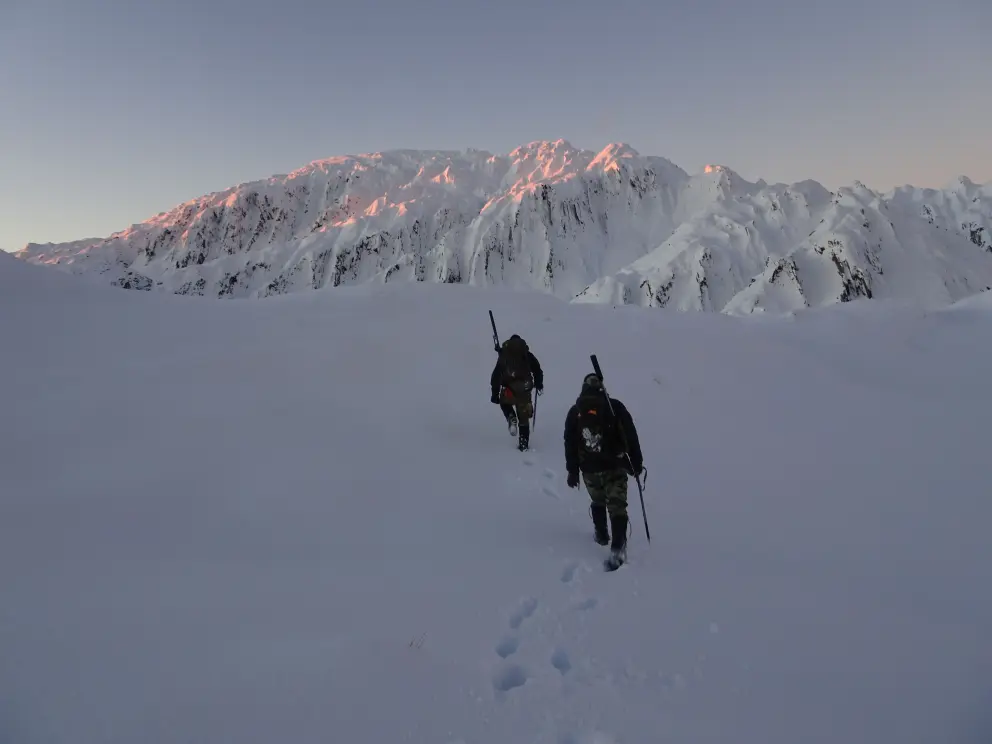
Last edited: October 2026