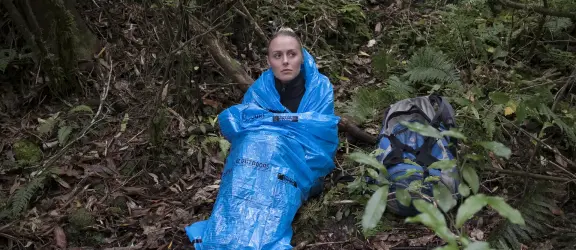
Emergencies and Survival
Emergency situations can happen at any time in the outdoors. The New Zealand Police, Rescue Coordination Centre and Land Search and Rescue provide free emergency assistance in the outdoors. It's important to understand when their services are required, and how to reach them.
What is an Emergency Situation?
- Moderate or severe injury, where you can't safely get out
- Environmental danger - severe flooding or major slips that prevent you from safely continuing
- Either you or a member of your group is missing or lost
- When a major earthquake strikes
What is NOT an emergency situation
- Being delayed to return home
- Forgetting something
- Needing to contact someone at home
Search and rescue services would rather deploy a rescue unit and find out the person has already returned than to not go at all.
What You Need to Know
Certain events in the backcountry of New Zealand can lead to the possibility of you being in a survival situation, it is therefore up to you to understand how to prepare for and survive these situations.
How to Effectively Plan a Trip
No matter how short your intended trip is, it is essential to plan carefully for any situation. Find local information and use our trip planning resources along with your fellow group members for the best result.
What to Take With You
Some basic items to help you in a survival situation:
- Emergency communications
- Emergency shelter - such as a tent, tarp, bothy bag or bivvy bag
- Fire-lighting equipment (matches/lighter and firelighters, wax paper or a candle. Put these in a waterproof bag)
- Safety whistle
- Cord or string
- Sharp knife
- First Aid Kit
- Plastic bags
- Pencil and paper
How to Stay on Track
To stick to your planned route, you should always carry and be able to use a map and compass, or another form of navigation aid like a GPS. Location awareness skills are also important; know where you are and where you have travelled, be observant, and remember natural features. See our Navigation section.
What to Do
- Stop - unless you are certain of the way out
- Apply first aid if required - See more in First Aid.
- Get warm, eat and make a shelter
- Get help - Make your location visible for rescuers and use what communication devices you have.
- Look after yourself and your group and wait for help.
If something does go wrong, if you are carrying a communication device such as a PLB or a satellite messenger device or happen to be in cell coverage you’ll be able to easily raise the alarm.
If you do not have a way to contact anyone you will need to wait for someone else to call the Police, providing you’ve left your intentions with a trusted contact and they know what to do.
When an alarm has been raised, you can expect search and rescue to come looking for you. Help them do their job by:
- Staying where you are – don’t move, it makes their job harder
- Put on your spare clothes, stay warm, keep eating and drinking
- Find shelter (close by), by either putting up your tent, making an emergency shelter or staying in the hut if you’re at one
Use the STAR Model for making decisions:
- STOP: Take a breath, sit down and remain calm
- THINK: Look around you, listen, brainstorm ideas
- ASSESS: Evaluate the options and their potential consequences
- RESPOND: Take the best alternative.
New Zealand's Emergency Phone Number = 111
How to Call Search and Rescue
- Call Police on 111
- Activate a Personal Locator Beacon (PLB)
- Press the SOS button on your GPS tracker (such as an inReach or Spot)
- Use the emergency function on your iPhone
- Call using a hut radio or notify a hut warden
- Call on a Satellite phone using the following numbers:
- North Comms (covers New Zealand north of Turangi): 09 571 2800
- Central Comms (covers North Island south of Turangi): 04 381 2000 (ask for Comms)
- South Comms (whole of the South Island): 03 363 7400 (ask for Comms)
- See the communications section to make sure you can reach them when you are out there.
What You Need to Tell Them
Be prepared to provide details about:
- WHAT: Is someone lost, or injured? (and how urgent)
- WHERE: The location/ terrain of you and the people in need. A map grid reference or GPS coordinates helps
- WHO you are and how you can be contacted
- WEATHER CONDITIONS of the area
- INJURIES: details of their condition
- MISSING/ OVERDUE: where/when they were last seen, what they were doing and what they look like
- SUPPLIES: what you have with you
What to Do While You Wait
- Place bright coloured items in open areas, or tie them to a stick and wave it above your head if you hear a helicopter
- Use movement
- If you hear a helicopter at night, shine a torch, cellphone or lighter (even very weak light sources show prominently when night vision equipment is used)
- If you hear searchers, make as much noise as possible with a whistle or by shouting. Continue this until searchers have reached you.
- Use a mirror to reflect light in the direction of searchers
- Make arrows in an open area from rock or sticks pointing to your location
No Communications?
- Consider sending a member of your party to get help - ideally two people, but consider the risks of splitting up your party
- Leave visual cues to lead to your location
- Whether you stop and await assistance, or move to reorient yourself depends on the situation. Take time to consider this
Last edited: October 2026